


Related Posts



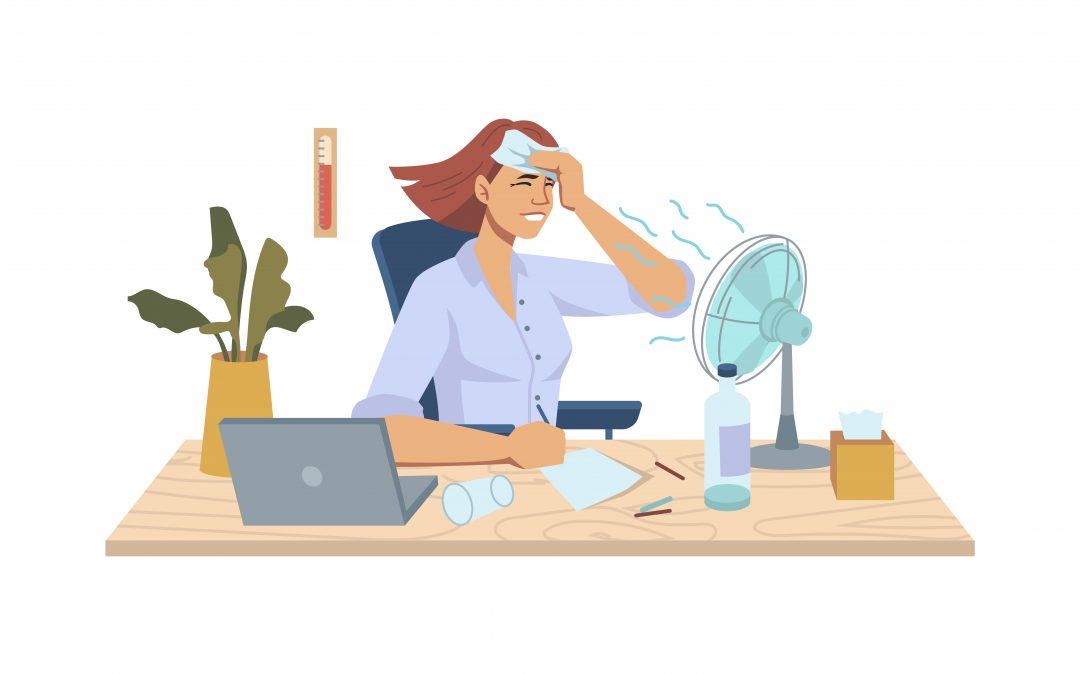
As we all breathe a sigh of relief to see the explosive temperatures of recent weeks behind us, temperatures are bound to rise again during the coming summer months and many employees will no doubt start to wonder whether there is a legal maximum temperature at which they can refuse to work.
The short answer is no. Unlike minimum workplace temperatures, there is currently no maximum temperature set by UK law for most workplaces.
However, employers still have a legal duty to protect the health, safety and welfare of their employees. Under health and safety legislation, employers must ensure workplace temperatures are “reasonable” and carry out risk assessments where excessive heat could pose a risk to workers.
Factors such as the nature of the work, humidity, ventilation, physical exertion, and the age or health of employees will all be relevant when assessing whether working conditions are safe.
What can employees do?
If workplace temperatures become uncomfortable or potentially unsafe, employees should:
- Raise concerns with their manager or HR department.
- Report any health and safety risks, particularly if they are experiencing symptoms such as dizziness, dehydration or heat exhaustion.
- Take regular breaks where possible.
- Stay hydrated throughout the day.
- Wear suitable clothing, where workplace policies allow.
- Make use of fans, air conditioning or cooler workspaces if available.
What should employers consider?
Employers can take practical steps to reduce the impact of hot weather, including:
- Providing drinking water and encouraging regular hydration.
- Adjusting working hours to avoid the hottest parts of the day.
- Relaxing dress codes where appropriate.
- Improving ventilation and airflow.
- Allowing additional rest breaks.
- Considering temporary homeworking arrangements where feasible.
While there is no automatic right to stop working because it is hot, employees are protected from suffering detriment if they leave or refuse to return to a workplace where they reasonably believe there is a serious and imminent danger. Whether that protection applies will depend on the specific circumstances.
Conclusion
With periods of extreme heat becoming more common, employers should ensure they have appropriate measures in place to keep staff safe and comfortable, while employees should raise concerns promptly if high temperatures are affecting their wellbeing.
Please get in touch if you have any questions regarding the issues discussed in this article.
E: help@jma-hrlegal.co.uk / T: +44 (0)1252 821792





Recent Comments